Solid Ground Sales Guide to Selling Land and Homes!

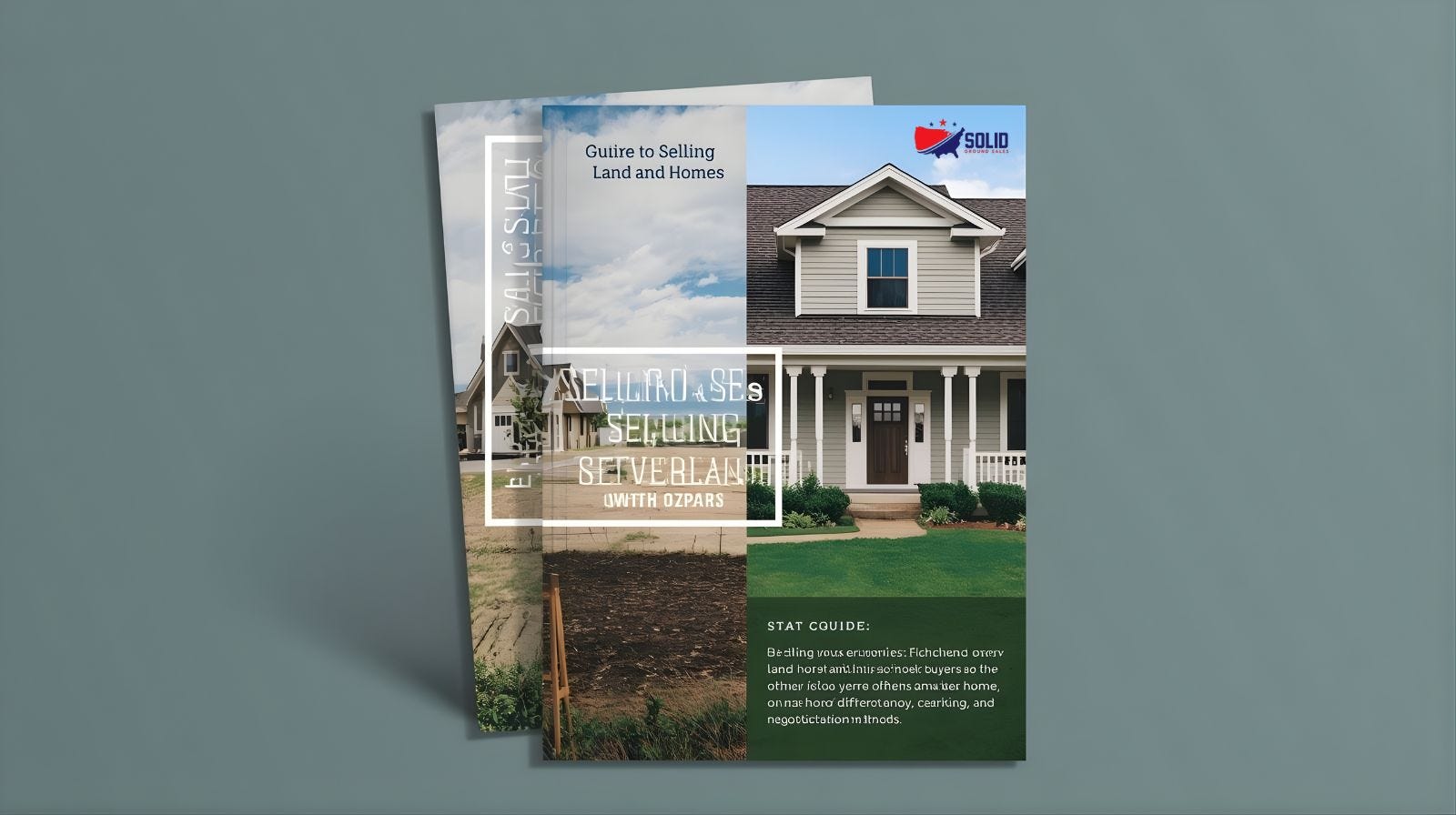
Selling land requires planning and clear market understanding. Many owners think land sales follow home sale steps. Solid Ground Sales guides owners through land-selling processes. Land buyers often think about future use and value. Home buyers often focus on comfort and daily living. These differences change pricing, marketing, and negotiation methods.
1. Understanding the Value of Land
Land value depends on location and future development potential. Zoning rules control how buyers may use the land. Access to roads and utilities increases buyer interest. Soil quality may affect farming or building plans. Nearby growth projects can raise future land demand. Unlike homes, land has no structure to inspect. Pricing depends more on research and local comparisons. Study recent land sales instead of home prices. Vacant land may take longer to attract offers. Clear data supports realistic price expectations.
2. Marketing Land to the Right Buyers
Land marketing targets investors, builders, and developers. Home marketing often targets families seeking living space. Photos of open space must show boundaries clearly. Maps and surveys help buyers understand property limits. Online listings should include zoning and access details. Highlight future potential rather than current appearance. Land buyers study long-term value growth. Home buyers often react to design and features. Clear information builds trust with serious buyers. Focused marketing reduces wasted time and inquiries.
3. Negotiation and Financing Differences
Land loans often require larger down payments. Banks view vacant land as higher risk investments. Interest rates for land may exceed home loan rates. Some buyers use cash for faster transactions. Home sales often include inspection and repair requests. Land deals focus more on surveys and title checks. Negotiations may include access rights and utility agreements. Closing periods for land can extend longer. Clear paperwork reduces delays during the final stages. Professional support improves transaction confidence.
4. Legal Steps and Due Diligence
Land sellers must confirm clear title ownership. Check for liens before listing the property. Environmental rules may limit development options. Boundary disputes can delay the sale process. Home sales include property condition disclosures. Land sales focus on zoning and land use rules. Buyers may request feasibility studies before purchase. Accurate documents prevent future legal conflicts. Legal guidance protects both seller and buyer. Preparation reduces unexpected closing problems.
Recap:
Selling land requires patience and informed decisions. Land sales differ from home sales in many ways. Research, pricing, and marketing shape final results. Clear communication supports smoother negotiations and closing. Professional guidance from Solid Ground Sales improves seller confidence and clarity. Understanding buyer goals helps position the property correctly. Preparation reduces stress during the transaction journey. Each sale demands a strategy based on the property type.